

After more than three decades in the markets, I've seen almost every kind of investor. I've seen people make fortunes, lose fortunes, recover from major losses and make the same mistake over and over again.
But when I talk to beginner investors, I notice something interesting. Most don't lose money because they don't know enough about the stock market. They lose money because they make emotional decisions. Investing isn't complicated, but it does require discipline. Here are the five biggest mistakes I see beginner investors make.
1. Trying to Get Rich Overnight
This is probably the biggest one. You open a brokerage account, deposit $1,000 and start looking for the stock that can turn it into $10,000. Social media makes it even worse. Every day there is somebody posting about the next 10X stock, the next meme trade or the options trade that supposedly made them 500% in a week.
Here's the reality: building wealth takes time.
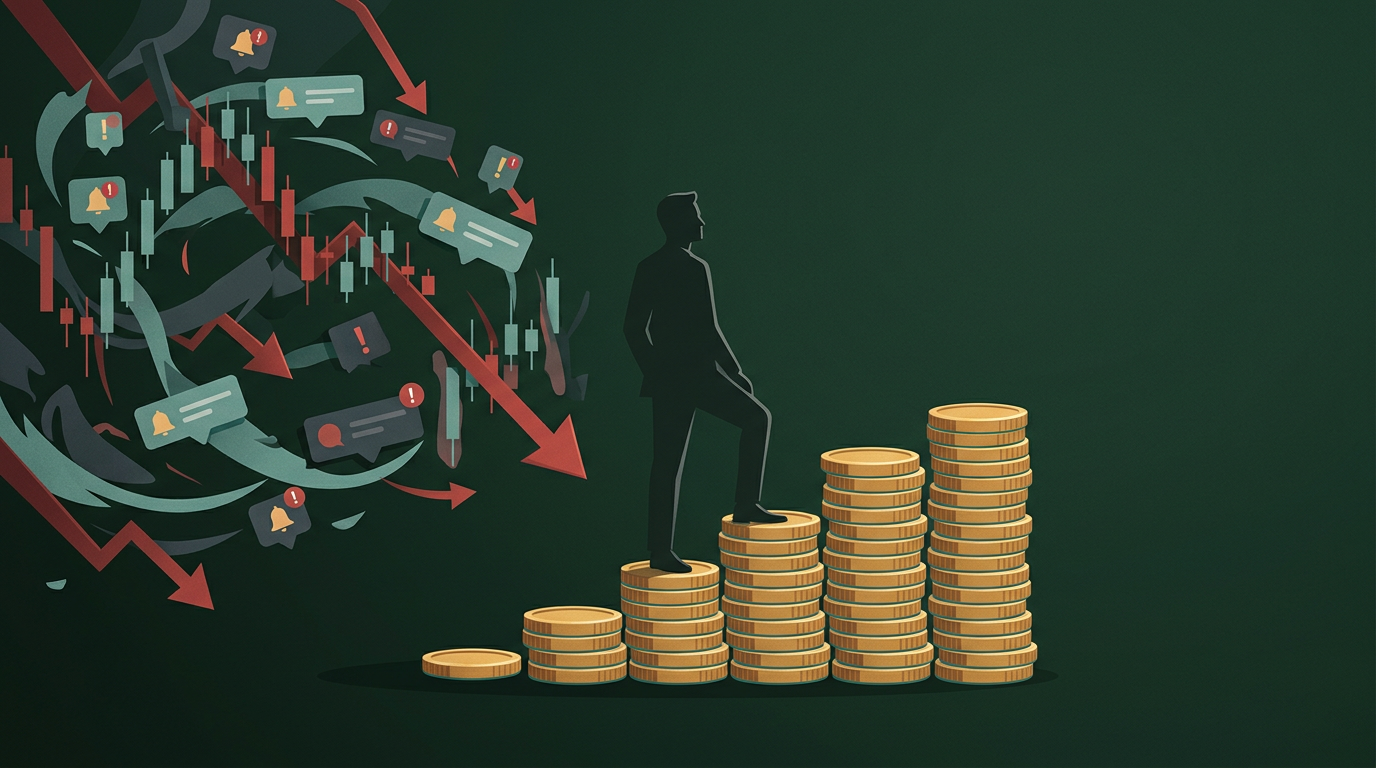
I've been trading for decades, and I can tell you there is no magic stock, strategy or indicator that will consistently make you rich overnight. Some people get lucky, but luck isn't an investment strategy. Your first goal shouldn't be getting rich. It should be staying in the game long enough to compound your money.
2. Buying Something You Don't Understand
If you can't explain to someone in plain English what you are buying and why you own it, you probably shouldn't be buying it. I see beginners jump into individual stocks, options, leveraged ETFs and cryptocurrency because somebody on YouTube or X told them it was the next big thing.
That's not investing. That's gambling with extra steps. You don't have to understand every company in the S&P 500. You don't have to become an expert in artificial intelligence before buying an index fund. But you should understand what you own, why you own it and what could make your investment thesis wrong.
Never confuse a rising stock price with understanding the investment.
3. Investing Money You May Need Soon
This is a mistake that can turn a temporary market decline into a permanent loss. If you need $20,000 next year for a house down payment, tuition or an emergency, putting that money into stocks and hoping the market cooperates is a bad plan. The stock market doesn't know your schedule.
This is where your time horizon and risk tolerance matter. Money you need in the near future generally shouldn't be exposed to the same level of market risk as money you won't need for many years.
Before asking, "What should I invest in?" ask yourself a more important question: When might I need this money?
4. Putting Too Much Money Into One Stock
I've made this mistake myself. It is easy to become convinced that you have found the company. Maybe it's Nvidia, Tesla, Apple or the next hot AI stock. You do your research, the stock goes up and suddenly you think, "Why don't I put more money into it?"
That's when risk starts creeping into your portfolio. Even a great company can have a terrible year. Earnings can disappoint, management can make mistakes, competitors can emerge and entire industries can change. Diversification isn't exciting. But it can keep one bad investment from destroying your portfolio.
5. Panic-Selling During a Market Crash
This is where investors discover whether they actually have a plan. When the market drops 20%, 30% or more, suddenly everything feels different. The headlines become terrifying. Your brokerage account is red. Everyone is predicting another crash. The natural reaction is to sell.
But panic-selling after a major decline means you're turning a paper loss into a real one. That doesn't mean you should blindly hold every investment forever. Sometimes the correct decision is to sell. The difference is having a reason to sell instead of simply being afraid.
I've experienced plenty of market crashes during my career. Every one of them felt different while it was happening. But markets have historically rewarded investors who were patient and disciplined rather than emotional.
You Don't Have to Be Right Every Time
After decades in the markets, the biggest lesson I've learned is simple: You don't have to be right every time. You have to manage your risk and stay in the game.
You will make bad investments. I have. Every experienced investor has. The goal isn't to predict every market move. It's to build a portfolio that matches your risk tolerance, diversify appropriately, understand your investments and give yourself enough time to let compounding work.
Don't try to become a millionaire overnight. Become a better investor one decision at a time. That's how real wealth is built.


